

Summary: A robust safety management system hosts essential modules, such as safety, learning, risk management and environmental management, in a single, connected platform. These tools provide comprehensive dashboards and real-time data updates so EHS leaders can make informed decisions about the health and safety of their workforce.
EHS leaders face increasing pressure to manage workplace risks, maintain compliance and demonstrate safety performance across their organizations. At the same time, changing regulations, growing reporting requirements and limited resources can make it difficult to keep pace with day-to-day safety responsibilities.
Safety management systems help organizations address these challenges by bringing critical safety processes into a single platform. From incident reporting and risk management to training and compliance tracking, these systems provide the visibility and structure needed to make more informed decisions and strengthen workplace safety. But choosing the right safety management platform for your organization can be a difficult decision. Below, we’ll walk through the different modules and capabilities to look for, as well as how to evaluate vendors.
Safety management systems are comprehensive digital solutions designed to identify, assess, manage and mitigate workplace hazards and risks. These systems integrate various features and tools to cover many aspects of health and safety.
Traditionally, workflows such as compliance reporting, data collection and audit management were all done manually. The adoption of digital health and safety platforms has given EHS professionals the ability to better manage all necessary processes, giving them more time to focus on key safety initiatives and advocate for more advanced safety programs.
To fully understand the impact of a safety management system, it’s essential to explore its components. Here are six key features of safety management systems:
Safety and compliance modules ensure organizations meet safety regulations and standards. These tools helps track compliance with legal requirements, industry standards and internal policies to help organizations reduce incidents and injuries. For instance, the software can alert the team about an upcoming safety audit and supply a checklist to ensure all requirements are met.
Focusing on the ongoing employee awareness, education and training of safety protocols and procedures is vital. A safety management system provides a platform for creating, delivering and tracking training programs.
For example, employees can complete mandatory safety training modules online or via a mobile app, and the system tracks their progress and certifies completion, ensuring everyone is up to date with the latest safety practices.
Managing environmental risks and impacts is essential for sustainability. A safety management system can help organizations monitor and control their environmental footprint, ensuring compliance with environmental regulations.
A safety management system can track emissions and waste generation, helping organizations to stay within regulatory limits and identify areas for improvement.
Managing the health, safety and well-being of employees is a critical aspect of safety management. A safety management system supports health surveillance, incident reporting and analysis as well as the management of occupational health programs.
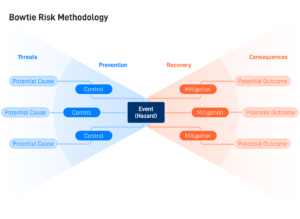
Identifying, assessing and mitigating day-to-day operational risks is critical. A safety management system provides tools for all areas of risk management, including risk assessments, incident management and corrective actions.
For instance, the system can facilitate risk assessments by allowing users to log potential hazards and automatically suggest mitigation strategies based on historical data, preventing incidents before they occur.
Integrating environmental, social and governance (ESG) criteria into a safety management system promotes sustainable practices. The system helps track and report ESG performance, ensuring that organizations meet their sustainability goals.
For example, the system can generate sustainability reports that outline the organization’s ESG performance, highlighting areas of success and opportunities for improvement and supporting transparency and accountability.
Beyond the modules themselves, it is equally important to evaluate how health and safety modules work together. Safety data exists across incident reports, audits, inspections, training records, risk assessments and corrective actions. When this information is disconnected, it can be difficult to identify trends or understand the full picture of organizational risk.
The best safety management systems provide capabilities that connect data, improve visibility and support better decision-making across the business. Look for vendors with:
More features doesn’t mean better outcomes.
Learn how to strategically evaluate EHS platforms.
When evaluating health and safety software, there are several things to keep in mind. Focus on how well the platform supports your organization’s goals, processes and long-term safety strategy. Use the following checklist as a starting point:
The right safety management system helps organizations connect safety data, improve visibility into risk and make informed decisions that protect workers and strengthen compliance. By combining the right modules with the right capabilities, organizations can build a more proactive approach to workplace health and safety.
Interested in learning more about the benefits of a safety management system? Check out our blog here!

Share