
If you’ve made your way to this article, you’re likely evaluating risk management software. You’ve determined that something isn’t working the way it should. Maybe you’re ready to move away from paper-based processes or spreadsheets. Maybe your data is scattered across systems so it’s hard to see what’s actually happening. Perhaps, you’ve simply outgrown your existing vendor.
Whatever reason brought you here, this decision carries weight in your organization. The system you choose will shape how your team reports, responds to and prevents risk every day. To help you move forward with confidence, we’ve compiled a list of the top vendors to consider.
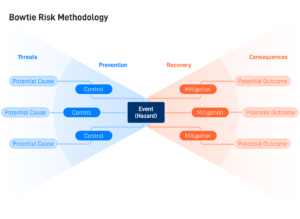
A digital risk management platform can help your organization strengthen how you identify, assess and control workplace risk by creating connected, consistent processes. When you adopt a risk management solution, you bring structure to the risk assessment process, making it easier to react to hazards and exposures. Other benefits include:
Great risk management platforms don’t just react to incidents. They spot weak signals early, standardize how teams assess workplace risk and make it easier to put the right controls in place. The best risk management software brings these practices into one connected system.
The list below reflects widely evaluated risk management platforms for mid‑market and enterprise organizations based on market presence, capabilities and customer feedback.
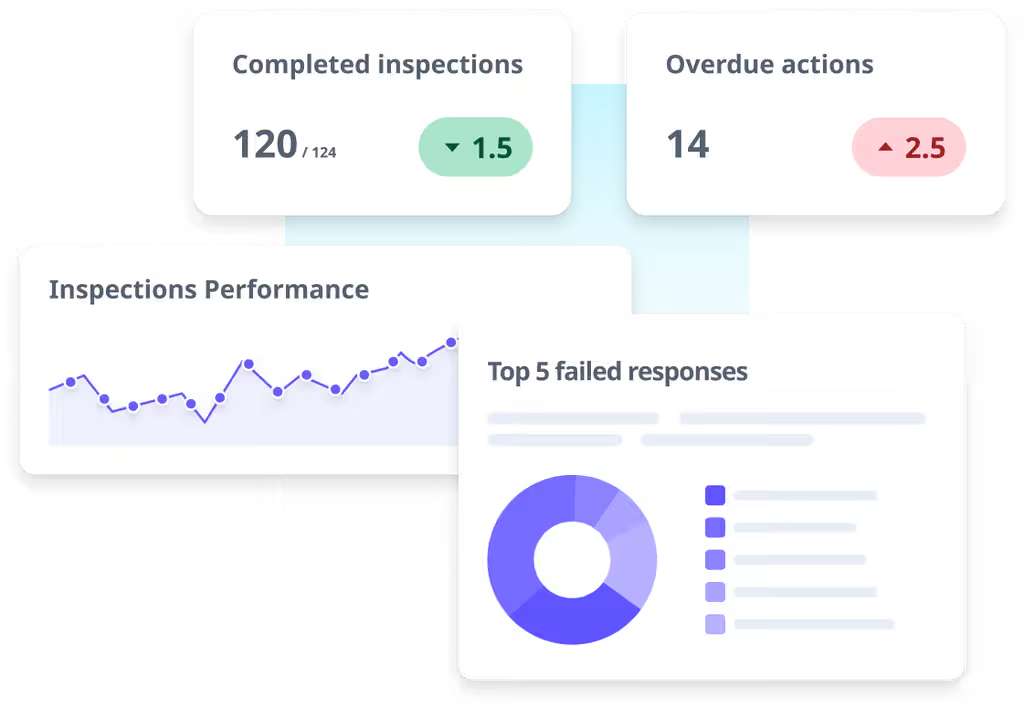
Evotix is the top risk management software for organizations looking to proactively mitigate workplace risk. The Evotix platform connects risk analysis, corrective actions, permits and management of change in one platform. This results in consistent risk assessments, increased visibility of hazards and stronger decision making.
Key features of Evotix’s risk management platform:
Who is Evotix’s risk management software ideal for?
Evotix’s portfolio of risk management tools is suitable for mid‑market organizations and commercial operations that want to consolidate systems, streamline processes and strengthen risk visibility without sacrificing configurability or quality.
Praise from customers:
“We replaced three separate apps with Evotix’s system, reducing complexity and app-switching.”
Alan Boswell, National Sustainability Health & Safety Advisor at Active Refrigeration
“Now, if something happens—an incident, first aid, a near miss, anything—workers can scan the QR code, get to the portal, and it takes them thirty seconds or less to fill out a report.”
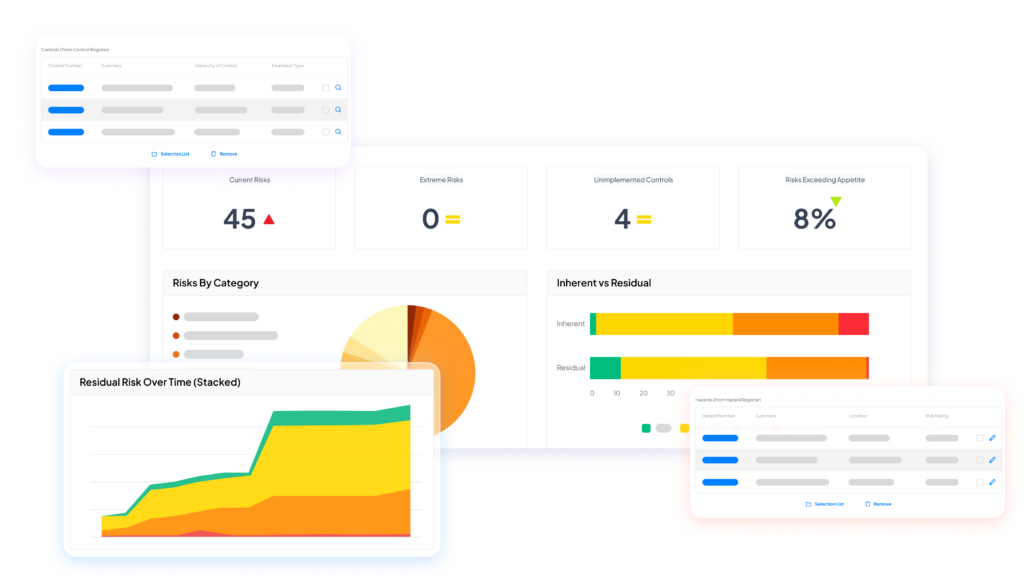
SafetyCulture provides a platform for risk management and compliance that brings inspections, training and issue resolution together in one place. Organizations rely on the platform to standardize risk management assessments, procedures and processes.
Key features:
Customer feedback:
“Feedback from the teams has been very positive, and SafetyCulture’s ease of use is a big part of that. Users quickly realized the added value of the platform. The application is incredibly easy to use, unlike paper-based systems,”
Robin Castin, Head of Health and Safety at ArcelorMittal Construction
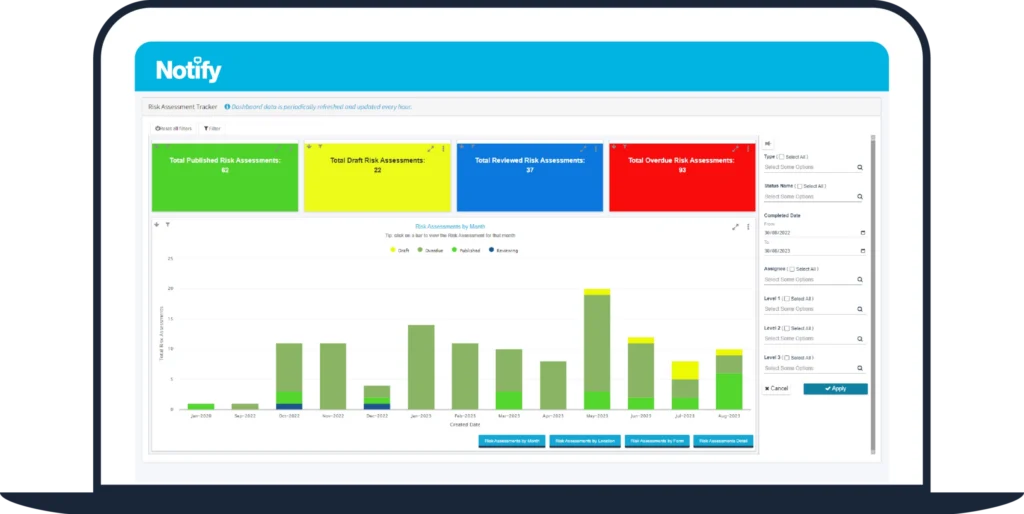
Notify helps organizations move from paper-based processes to a centralized system for incident management, risk assessments and inspections. Customers enjoy user-friendly, mobile‑first features that encourage frontline reporting while giving leaders visibility of performance.
Key features:
Customer feedback:
“I’m really happy with Notify risk assessment software, it has allowed us to collect clear data and identify risks and trends within the organization, to protect our visitors and staff as best we can.”
Head of Health and Safety at Alexandra Palace
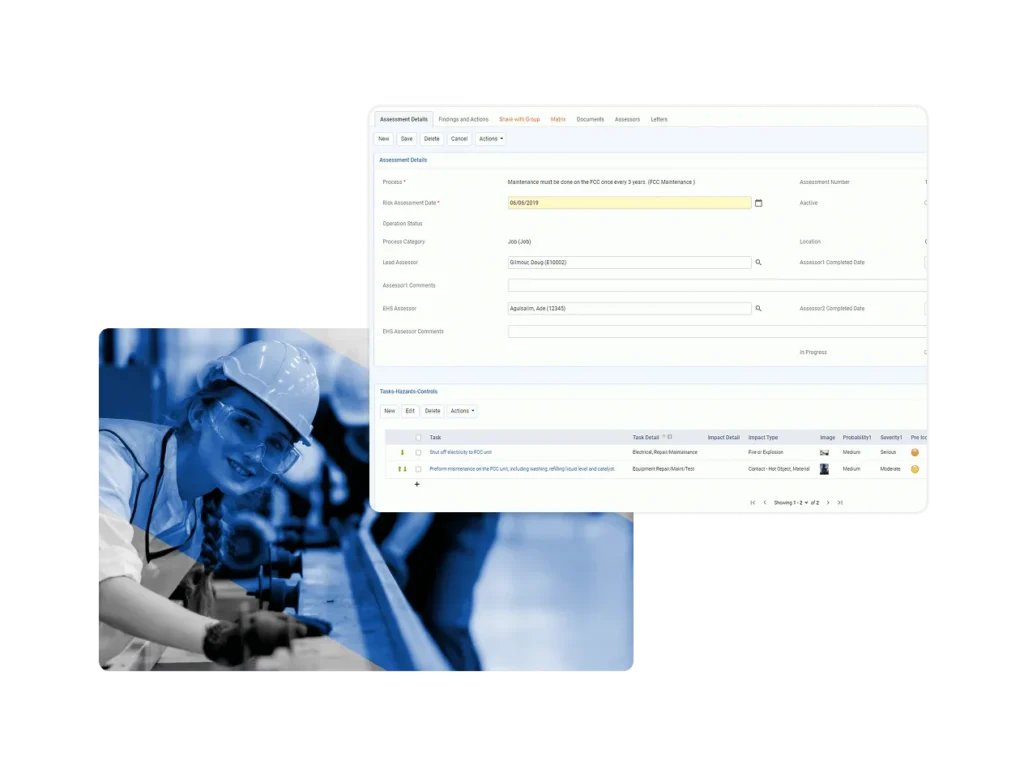
Cority offers an integrated EHS platform with a risk management module that centralizes hazard management, controls and risk assessments across sites. The system emphasizes early hazard detection, compliance management and data tracking to inform decision making and corrective actions.
Key features:
Customer feedback:
“Cority helped employees understand at-risk behaviors and promote intervention. We’ve saved over $1 million last year.”
Karen Smith, Systems Improvement Analyst at GFG Alliance
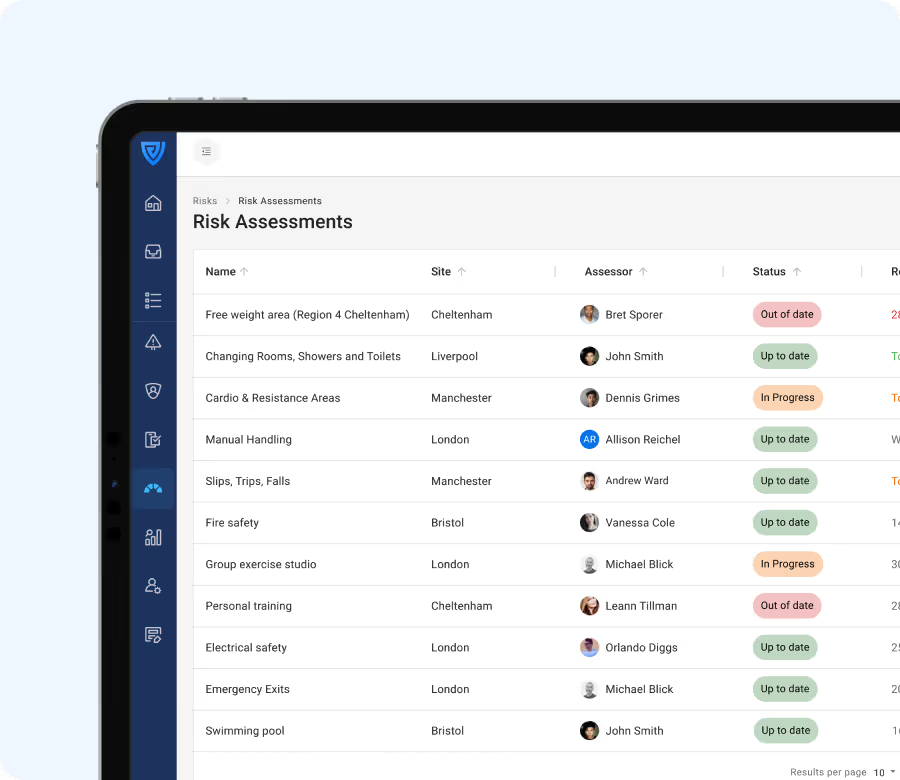
The Vatix platform combines incident, audit and risk modules with accredited lone worker devices, with a strong focus on connected worker safety. Organizations use it to digitize reporting, manage inspections and monitor SOS activations.
Key features:
Customer feedback:
“It’s an intuitive, user-friendly system we rely on heavily. Near miss reporting has improved significantly, helping us address issues early. We also value Vantix’s flexibility in tailoring the solution to our needs.”
Health and Safety Manager at Percy Hedley Foundation
Choosing the right risk management software sets the foundation for a resilient risk program. This platform will shape how effectively your organization captures insights, manages controls and scales its program.
Focus on platforms that:
For an in-depth look at how Evotix’s risk management software can support your health and safety program, view our solutions page below.
Want to know more about risk management? Check out our range of resources:
See our other recommendations for health and safety software here: Top 10 Best EHS Software: Choosing the Right Solution for Your Health and Safety Team | Evotix

Share