CHECKLIST | 10 MINUTE READ
7 Signs You’ve Outgrown Your Legacy EHS System & Platform Evaluation Checklist
Your EHS platform was supposed to revolutionize your health and safety program. But somewhere along the way, things changed, and the platform that once felt like a solution started to feel like another problem to manage.
Now you’re spending more time working around your software than working in it. You might be experiencing low usage, complex reporting or delayed service requests.
If this sounds familiar, you’re not alone. This guide walks you through:
- Common signs that your EHS software has reached its limits
- What each of those pain points should tell you about what to prioritize
Grab your free copy!
See the early warning signs and learn what to prioritize in your next software partner.
Is Your Safety Program Showing Signs of Strain?
Before an organization starts evaluating new EHS software, there are usually warning signs that their current system isn’t as effective as previously thought.
- Low incident reporting rates often indicate a process problem.
- When reporting is slow, cumbersome or doesn’t work well on a mobile device, employees find ways around it.
- If employees aren’t consistently following safety procedures, the system may be making it harder to do the right thing.
- Overly complex forms, fragmented tools and platforms that require multiple steps to complete a basic task all contribute to disengagement, creating risk.
Legacy EHS platforms often exacerbate these problems rather than solve them. When your software can’t be updated without vendor involvement, can’t scale to new sites or regions and can’t surface meaningful insights without additional tools, it stops being an asset to your safety program and starts being a barrier to it.
Common Signs It's Time For an EHS Platform Update
Many organizations don’t realize their EHS platform has become a liability until it becomes too late. These moments (budget review cycles, organizational restructuring, compliance initiatives) are often the trigger that puts EHS software evaluation on the agenda. But the underlying gaps usually predate them:
- Your team isn’t using it
- Your data can’t be trusted
- Your tools are scattered
- Your customizations have become a liability
- You’re dependent on your vendor for basic changes
- You need additional tools to generate insights
- Your system can’t scale with your organization
These issues build over time, and by the time they become visible, they’re already affecting your program’s effectiveness.
What a Modern EHS Platform Should Do Differently
The standard for EHS software has shifted considerably in recent years. Where legacy platforms often required heavy customization, external reporting tools and vendor-dependent updates, modern solutions are built around configurability, usability and built-in intelligence.
For EHS teams evaluating a switch, the most important capabilities to assess are the ones that directly address the gaps your current system has created. That means looking beyond a feature checklist and asking harder questions:
- Can your internal team make process changes without support tickets or added costs?
- Does the mobile experience hold up in the field?
- Can the platform surface actionable insights without a data analyst in the loop?
- Will your team use it in day-to-day work?
Adoption is the variable that determines whether any EHS platform delivers on its promise. A system that isn’t used doesn’t protect your workforce or generate the data you need to improve. When evaluating new platforms, usability and mobile capability should be at the top of the list.
What to Consider When You Evaluate EHS Vendors
Switching EHS platforms is a significant decision, and the evaluation process matters as much as the product you choose. Organizations that have been through difficult implementations before know that a strong product rollout with vendor support can be the difference between rapid adoption and a system that never gets off the ground.
As you build your evaluation criteria, consider not just what a platform does on day one, but how it will perform as your organization evolves. The right solution should be able to grow with you, consolidate your data in one place, reduce your dependence on external tools and give your team the visibility they need to move from reactive to proactive risk management.
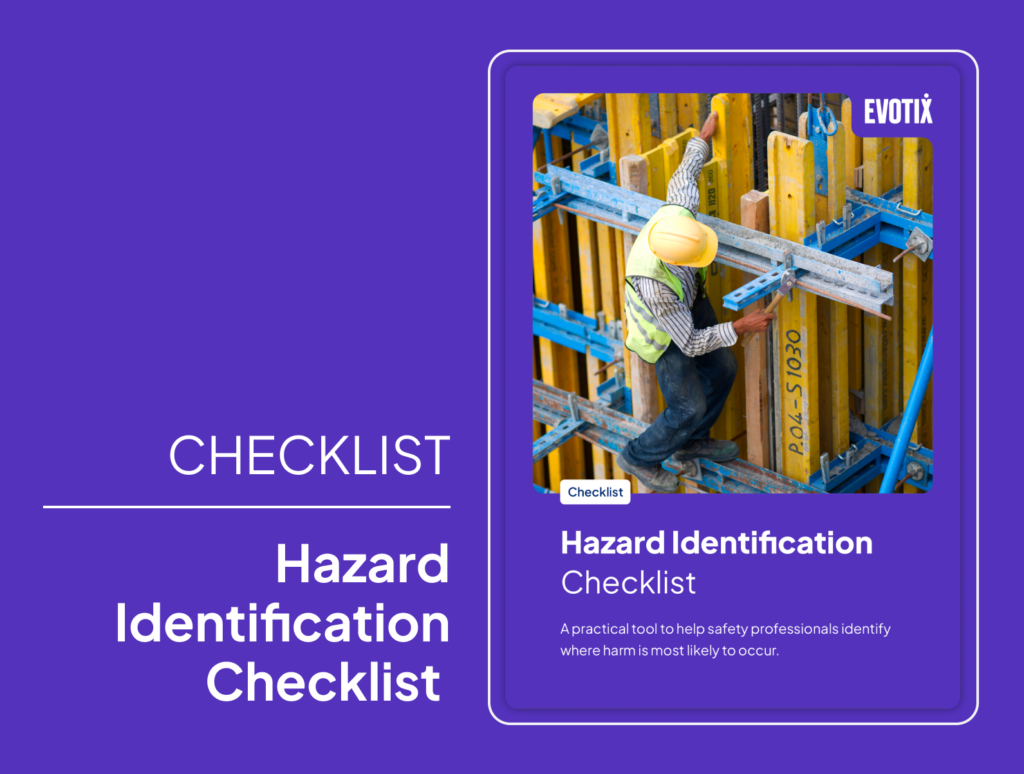
Download the full checklist for a complete breakdown of the signs it’s time to move and the specific capabilities to look for in your next EHS platform.
Want to learn more?
See the early warning signs and get your free EHS platform evaluation checklist.
FAQ
What are the signs that it's time to switch EHS software providers?
The most common indicators include low system adoption among frontline workers, poor data quality, fragmented tools across different EHS functions, heavy dependence on the vendor for basic changes and the inability to generate meaningful reports without external tools. Organizational triggers (such as rapid growth, an acquisition or a compliance initiative) often bring these underlying issues to the surface, but the gaps typically predate them. If your current platform is creating workarounds rather than eliminating them, it’s worth starting the evaluation process.
How do I know if my EHS platform is affecting safety program performance?
One of the clearest signals is a decline in reporting rates or inconsistent process adoption across your workforce. When software is slow, hard to use or doesn’t function well on mobile, employees disengage — and disengagement creates gaps in your data and your program. If your team is working around the system rather than in it, or if you can’t trust the accuracy of your reporting data, your platform may be undermining the safety program it’s supposed to support.
What should I look for when evaluating a new EHS platform?
The most critical capabilities to evaluate are ease of use and mobile functionality, self-configurability, built-in analytics, scalability and integration with existing systems such as HR platforms. Beyond features, consider the vendor’s implementation approach and how quickly the platform is likely to deliver value. Adoption is the variable that determines whether any EHS investment pays off, so usability should be a primary evaluation criterion.
How long does it take to switch EHS software providers?
Implementation timelines vary based on the size of the organization, the complexity of existing processes and the vendor’s implementation methodology. Organizations that prioritize a structured rollout with dedicated vendor support typically see faster time-to-value and stronger early adoption. When evaluating vendors, ask specifically how they approach implementation, what resources are provided and how they measure success after go-live.
What is the difference between a configurable EHS platform and a customized one?
Customization typically refers to changes made by developers, either internally or by the vendor, that are built on top of the core platform and can become difficult to maintain over time. Configurability, by contrast, means the platform is designed to be adapted by your internal team without developer resources or vendor involvement. For EHS teams managing multiple regions or rapidly evolving regulatory requirements, configurability is a critical distinction. It means you can update forms, adjust workflows and adapt processes on your own timeline without incurring additional costs or delays.