See how teams reduce incidents and manage risk faster     See It in Action  →

ASSESSMENT | 5 MINUTE READ

How To Improve Your EHS Program: 5 Minute Gap Analysis

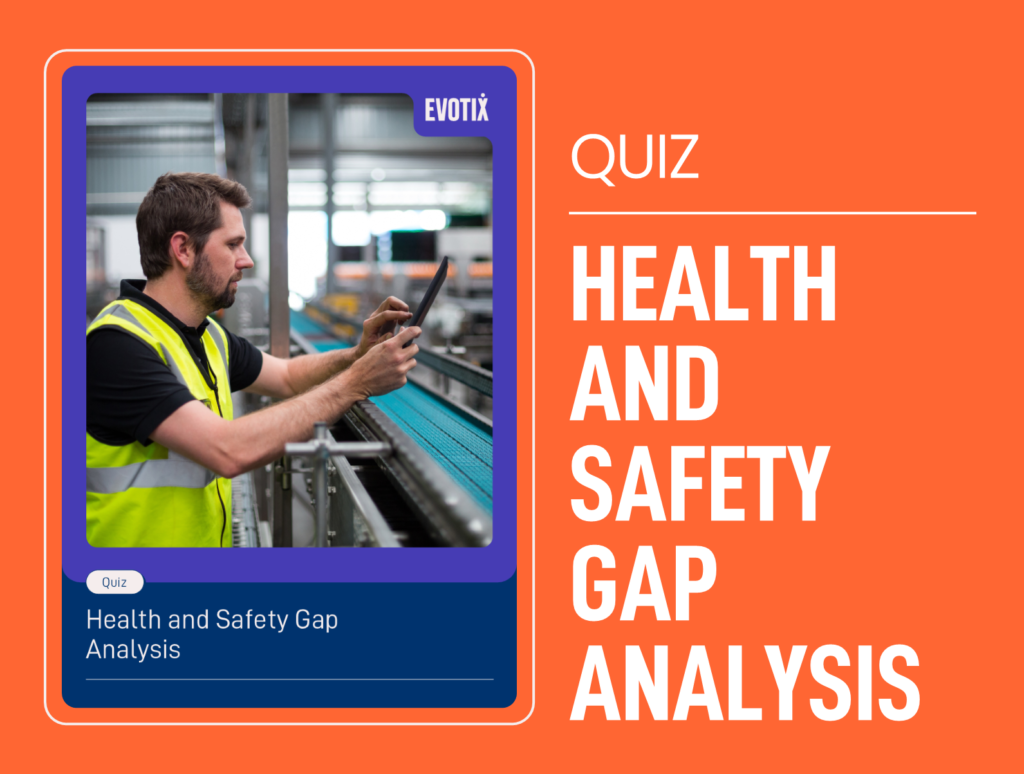
Every organization is at a different stage of its EHS journey, and knowing where you stand is the first step toward meaningful improvement.    

Our Health and Safety Gap Analysis is designed to identify weak points in your current processes, behaviors and culture surrounding EHS. This quiz is for EHS managers, safety leaders and/or frontline workers to generate a holistic picture of your current state of EHS.

Simply answer a series of targeted questions to see what’s working and identify areas of improvement.  

Find out where your EHS program really stands

Take the 5-minute assessment to spot gaps and prioritize your next steps.

What This Checklist Helps You Assess

This checklist is designed to provide a comprehensive view of your EHS program by evaluating multiple areas that influence performance. 

It helps you review: 

  • Your organization’s current EHS state  
  • Which practices are working (and which aren’t)  
  • Critical gaps in EHS policies, existing processes and worker engagement  
  • Where to focus efforts for the most impact 

It also explores deeper process and culture questions, such as whether employees feel comfortable reporting issues, whether incidents are investigated thoroughly and whether corrective actions are tracked and learned from. 

Small gaps lead to bigger risks.

Use the checklist to identify what’s missing and where to focus next.

FAQ

How do you identify gaps in a health and safety program?

Start by evaluating your current processes, policies and behaviors against what is expected. A structured checklist or gap analysis helps you assess areas like training, hazard awareness, incident management and employee engagement to determine where improvements are needed. 

A gap analysis checklist is used to assess the current state of your EHS program. It helps identify what is working, what is missing and what needs to be improved across policies, processes and workplace behaviors.  

Gap analyses should be conducted regularly, especially after major changes such as new processes, new sites or updated regulations. Many organizations also perform them annually or as part of continuous improvement efforts. 

Common gaps include inconsistent processes across locations, lack of employee engagement, unclear ownership of safety responsibilities and poor follow-through on corrective actions. Organizations may also struggle with visibility into whether controls are actually effective. 

Improving EHS processes starts with identifying weaknesses. From there, organizations should focus on standardizing workflows, increasing visibility into performance, improving communication and ensuring accountability for corrective actions. 

An effective program shows consistent processes, strong employee participation and clear evidence that risks are being identified and addressed. Metrics such as incident trends, near-miss reporting and corrective action completion can provide insight into performance. 

Once gaps are identified, prioritize them based on risk and impact. Assign clear ownership, implement corrective actions and track progress over time to ensure improvements are sustained.