TOOLKIT | 10 MINUTE READ

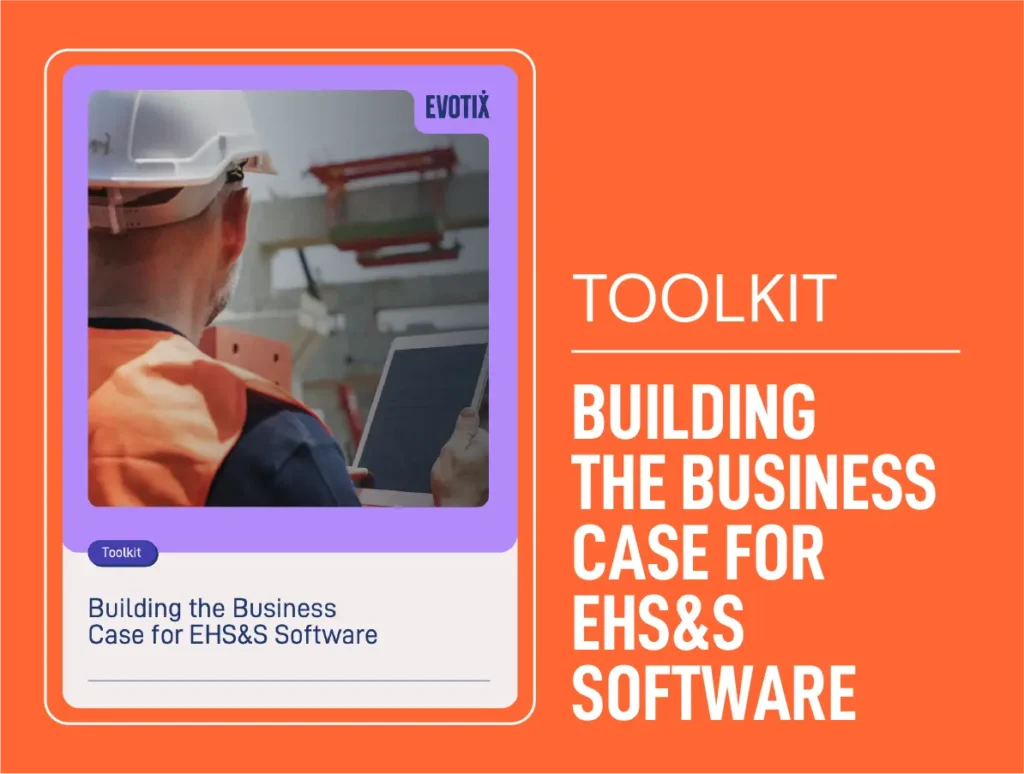
Building The Business Case For EHS&S Software

Justifying the investment in EHS&S software can be challenging. While the investment benefits may be obvious to EHS professionals, it can be difficult to successfully create a business case that convinces leadership of buy-in.    

The good news is that with some preparation and research, you can do it.   

This guide helps arm your argument with compelling data and highlights the strategic value of implementing innovative solutions. After reading, you’ll be able to answer questions such as:  

Request your guide

and get the tools needed to structure your business case.

Why Leadership Hesitates to Invest in EHS Systems

Many organizations still rely on spreadsheets, paper-based processes or disconnected systems to manage health and safety. While these approaches may seem sufficient on the surface, they often create hidden inefficiencies and risks. 

Leaders may not immediately see these issues because they lack visibility into how data is captured, how risks are tracked or how incidents impact the business financially. 

At the same time, expectations are changing. Increased regulatory pressure, higher costs associated with workplace incidents and growing emphasis on employee wellbeing are forcing organizations to rethink how they manage EHS. 

Start by Demonstrating the Limits of Current Processes

One of the most effective ways to build your case is to show the constraints of your current approach. 

Manual processes and disconnected systems often lead to inconsistent data, delayed reporting and limited visibility into trends. These issues make it difficult to identify risks early or take proactive action. 

EHS software addresses these challenges by centralizing data, automating processes and enabling real-time insights. This allows organizations to move faster, improve consistency and make more informed decisions. 

The key is to clearly link these improvements to business outcomes. When leadership understands how inefficiencies impact cost, compliance and performance, the value of change becomes much clearer. 

Use Data to Highlight Areas for Improvement

Strong business cases are built on evidence, not assumptions. 

To demonstrate the need for a health and safety management system, start by gathering data across your existing program. This helps identify where gaps exist and where improvements can deliver measurable value. 

Common areas to analyze include: 

  • Incident rates and lost-time injuries 
  • Environmental compliance performance 
  • Training completion and effectiveness 
  • Timeliness of corrective actions 

This data helps reveal patterns, such as recurring incidents, delays in closing actions or areas where compliance is at risk. It also highlights the potential cost of inaction, which is critical for gaining leadership attention.  

Connect EHS Performance to Financial Impact

To secure investment, safety improvements need to be translated into financial terms. 

Workplace incidents carry significant costs, including lost productivity, medical expenses and administrative burden. In the U.S. alone, the total cost of work injuries reached $167.4 billion, with billions attributed to lost wages, medical costs and administrative expenses.  

Additionally, organizations that invest in safety initiatives often see measurable returns. According to OSHA, every $1 invested in safety can generate $4 to $6 in cost savings and productivity gains. These numbers help illustrate that safety is not just an operational concern but a financial one. 

Structure Your Business Case for Maximum Impact

A well-structured business case makes it easier for leadership to evaluate your proposal and understand its value. 

The most effective cases typically include: 

  • A clear explanation of the current state and existing gaps 
  • A defined vision of the desired future state 
  • A breakdown of solution requirements and expected outcomes 
  • A financial summary outlining costs, benefits and ROI 
  • A realistic timeline and implementation plan 

This structure helps ensure your proposal addresses both operational and financial considerations, making it easier for decision-makers to move forward with confidence. 

Want to learn more?

Download our guide to prepare your business case for EHS software.

Complete the Following Information To Request Your Resource